'Peaky Blinders: The Immortal Man' Review: Cillian Murphy Returns as Tommy Shelby in a Brutal War-Era Showdown
The ruthless reputation of Tommy Shelby is firmly reestablished in Peaky Blinders: The Immortal Man. In one memorable moment midway through the film, the aging gang leader confronts a reckless young thug who fails to recognize him. Shelby’s response is swift and merciless—he forces a grenade into the man’s shirt and sends him out of the pub before it explodes moments later. The extreme retaliation drew loud reactions from the audience during one screening, reflecting the brutal charm that has long defined Steven Knight’s crime saga. Through Cillian Murphy’s performance, Shelby remains violent and calculating, yet still carries enough humanity to keep viewers invested.
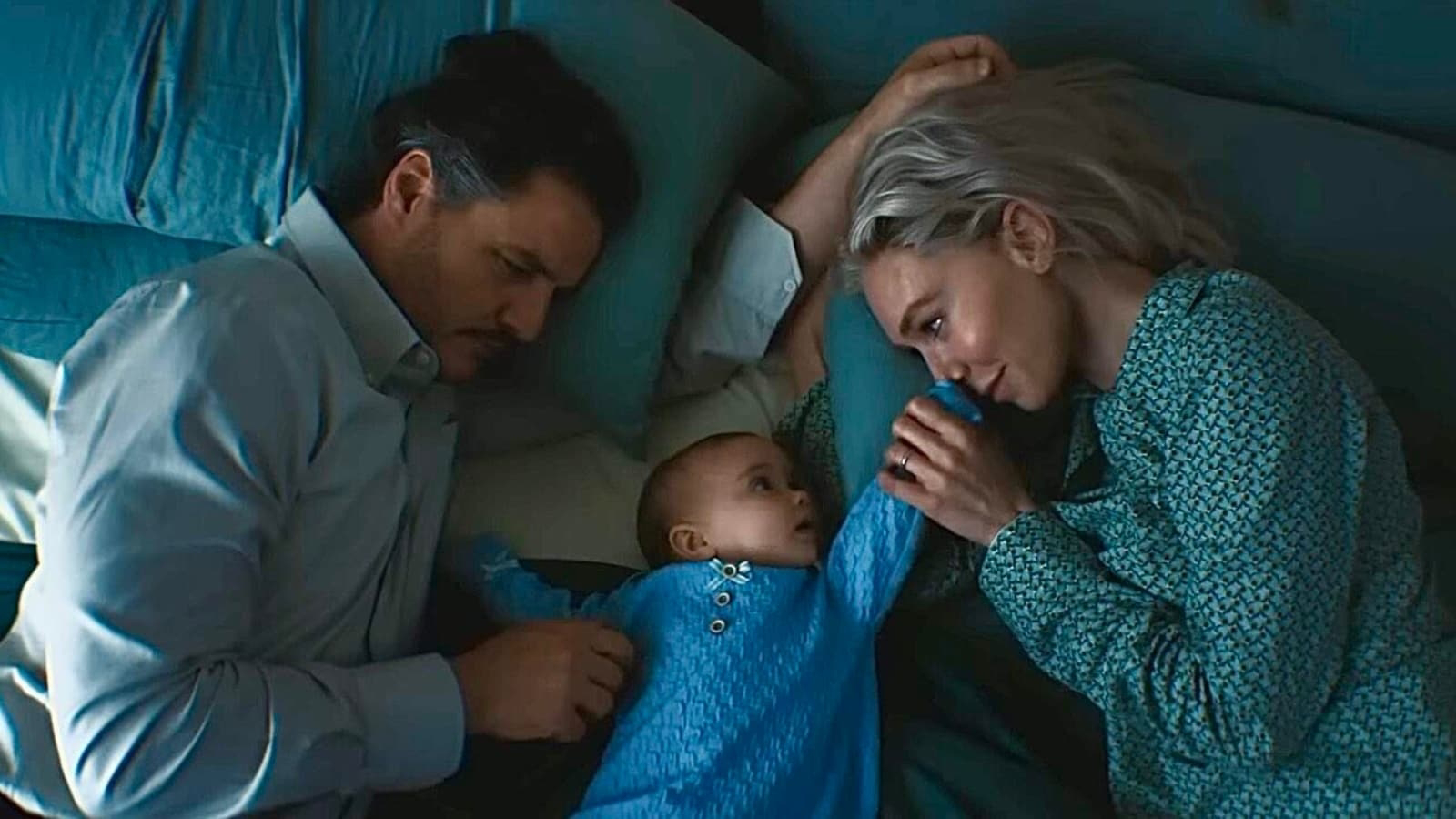
 Cillian Murphy returns as Tommy Shelby in Peaky Blinders: The Immortal Man, a wartime story packed with gangland brutality, Nazi enemies, and cinematic spectacle.
Netflix/Courtesy Everett Collection
For the first time since the characters debuted in 2013, Knight moves the Peaky Blinders story onto the big screen. Rather than softening Shelby’s methods, the film introduces enemies who make him appear almost restrained by comparison: Nazis. Set in 1940, the story unfolds seven years after the television series concluded. Director Tom Harper blends established lore from the show with a wartime resistance narrative, centering on a scheme involving vast quantities of counterfeit currency intended to destabilize Britain.
The result is unmistakably designed for longtime fans, particularly those devoted to the show’s aesthetic and mythology. Yet the film also works as a standalone experience, making it accessible to viewers unfamiliar with the series. With a limited theatrical release beginning Friday and a Netflix debut scheduled for March 20, the production appears positioned to reach a large streaming audience.
Even if the movie ultimately finds most viewers at home, it underscores how cinematic the original series always felt. Shot on film by returning cinematographer George Steel, the movie captures the gritty textures of wartime England—from mud and rubble to the worn surfaces of industrial Birmingham. Production designer Jacqueline Abrahams’ reconstruction of the Blitz era adds weight and realism, giving the story a rough yet polished visual identity.
The film launches with the bombing of a Birmingham weapons factory by German aircraft, quickly introducing its antagonist. The villain, Beckett, is portrayed by Tim Roth and revealed to be the treasurer of the British Union of Fascists. While escaping on a train loaded with £350 million in forged German banknotes, he openly praises Hitler, making his allegiances unmistakable. Beckett’s plan is simple but dangerous: flood Britain with fake money and undermine the nation’s economic and military strength.
To circulate the counterfeit cash, Beckett recruits Duke Shelby, Tommy’s estranged son and the new leader of the Peaky Blinders. Played by Barry Keoghan, Duke is reckless and unpredictable. He makes it clear he feels no loyalty to anyone, declaring that the world has shown him no concern and he intends to return the favor. Keoghan’s unsettling screen presence suits the character, who combines youthful arrogance with a willingness to work with dangerous allies.
Meanwhile, Tommy Shelby has withdrawn from the chaos of the criminal world. Living on a decaying rural estate, he mourns the deaths of his young daughter and his loyal brother while slowly writing his memoirs. Murphy presents a noticeably changed Shelby—older, quieter, and dressed in modest knitwear and glasses rather than his familiar tailored suits.
However, the threat of fascism eventually draws him back. Encouraged by his politically active sister Ada and the mysterious Romany seer Zelda, Shelby returns to action. His transformation back into the sharply dressed crime boss includes a stylish montage highlighting the show’s signature fashion. Costume designer Alison McCosh outfits Murphy in elegant coats and sharply pleated trousers, turning the streets of Birmingham into a stage for Shelby’s dramatic return.
This stylish flair offsets the film’s violent intensity. The mixture of spectacle and menace prevents the brutality from becoming monotonous, while Murphy’s restrained acting lends emotional depth to the story’s otherwise extravagant plot. Director Tom Harper, who previously worked on the series, balances seriousness with playful nods to longtime fans.
Several callbacks appear throughout the movie, including the return of Nick Cave’s iconic “Red Right Hand” theme. At the same time, the series’ trademark modern-rock soundtrack feels somewhat outdated compared with the film’s wartime setting.
Despite the nostalgia, the story unfolds with efficient pacing. The plot may be extravagant, but it moves steadily toward a conclusion that delivers an unexpected emotional note. By the finale, Peaky Blinders: The Immortal Man manages to combine its familiar swagger with a sense of reflective melancholy.